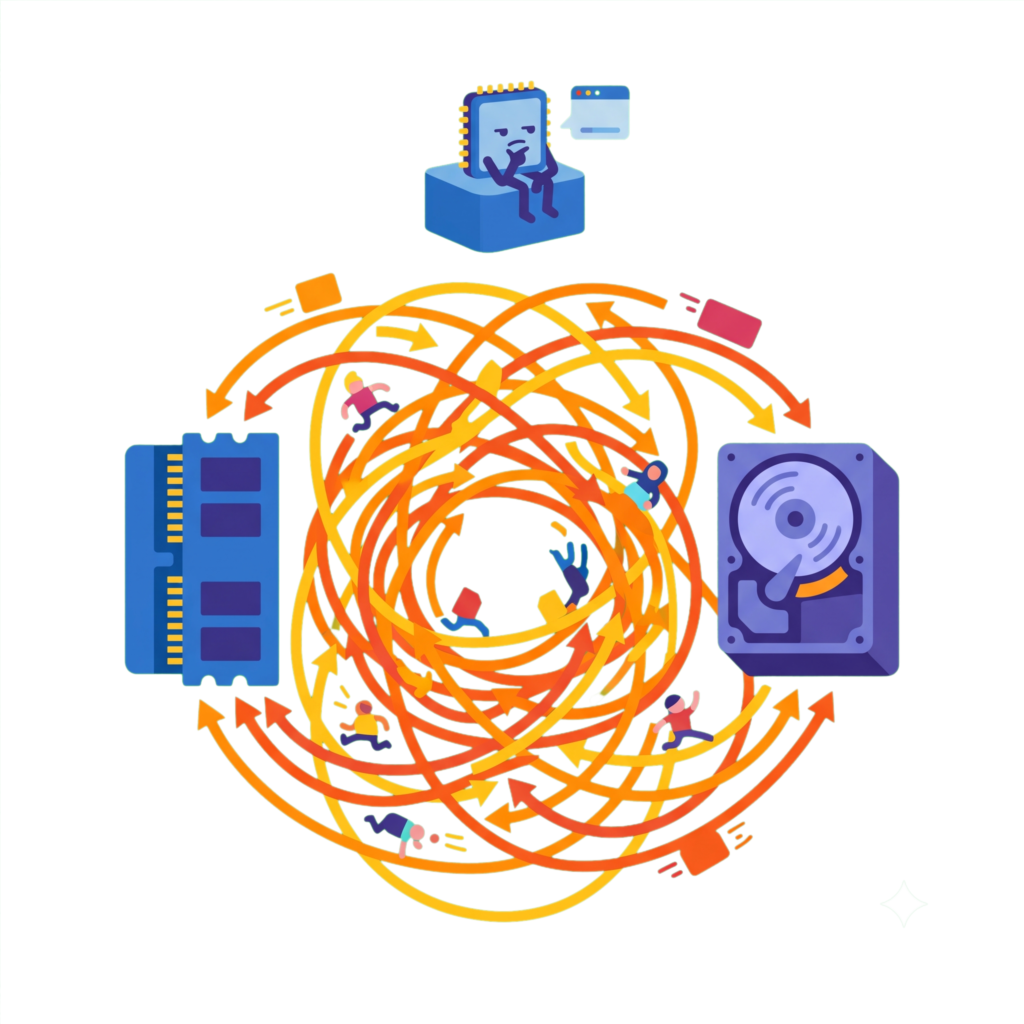
You're not understaffed. You're over tasked.
There's a concept from computer science that I keep coming back to when I'm trying to understand why an organisation's output doesn't match its apparent effort. It's called thrashing.
Read it →No vendor talk. Things we have actually seen go wrong, and what we did about them. Ideas and concepts you might not have come across and helpful guides you can put into practice right away.
If you've ever sat in a project kick-off and watched someone wheel out a RACI matrix, you'll know what usually happens next. An hour is spent debating whether the Finance Director is Responsible or Accountable.
In almost every organisation I’ve worked with, the same conversation happens around payment systems. I suspect you’ve had a version of it.
Six million fewer donors. A £12.4 billion hole. And most charity leaders too busy firefighting to see what's actually causing it.
— and what the 20% are doing differently. PwC's latest research puts a number on something many leaders already sense. But the real reason most AI investment fails isn't the one they're identifying.
There is a predictable, and mildly terrifying, lifecycle to the ad-hoc tech solution.
Most boards think they do. They usually have a policy document tucked away in a folder that says they are "risk-averse," which is often just corporate shorthand for "we don’t like it when things break." But a true risk appetite isn't a mood or a vague preference for safety; it’s a strategic boundary.
The 'Hello World' program, is the shortest possible piece of code that produces an output. It’s the industry’s way of checking that the foundations are solid, the pipes are connected, and the lights are actually on.